Stop-and-Go Survival: How I-95 & Blue Route Traffic Accelerates Transmission Wear
Stop-and-go traffic on I-95 and the Blue Route puts constant strain on your transmission and accelerates wear faster than many drivers realize. Repeated braking, creeping forward, and sudden acceleration increase heat and fluid breakdown. Transmission overheating in stop-and-go traffic is one of the most common issues we see at AAMCO Delaware Valley centers.
Daily congestion around Center City Philadelphia, King of Prussia, Wilmington, and Southern New Jersey creates the perfect conditions for transmission problems. Drivers dealing with Route 476 hills or long backups near major interchanges often experience problems long before the check engine light comes on. Knowing how to protect your transmission in heavy traffic can help prevent expensive repairs.
In this blog post, AAMCO of the Delaware Valley explains how stop-and-go driving affects modern transmissions, why local highways are especially tough on vehicles, and which warning signs matter most. Readers will also learn practical driving habits, maintenance tips, and expert answers to common questions so they can stay ahead of transmission problems before traffic takes its toll.
How Stop-and-Go Traffic Impacts Modern Transmissions
Stop-and-go driving creates constant mechanical stress inside modern transmissions. Conditions like daily congestion on I-95 and the Blue Route force transmissions to work harder at low speeds, where heat and wear build quickly.
Traffic jams place your transmission in a near-constant state of engagement. Gears shift repeatedly as you creep forward, stop, and accelerate again, often within a few seconds.
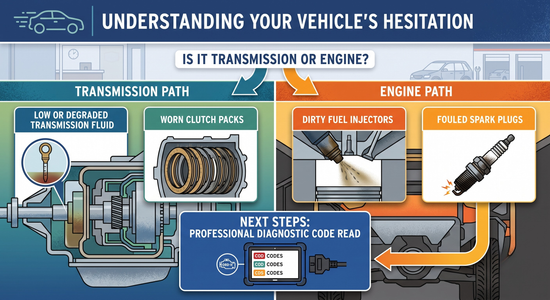
Repeated gear engagement and disengagement increase friction on internal components. Clutches, bands, and gear sets are designed for smooth transitions, not nonstop cycling. Over time, friction wears material down faster, reducing the transmission's ability to shift cleanly, and drivers may begin to notice hesitation or rough shifting during normal acceleration.
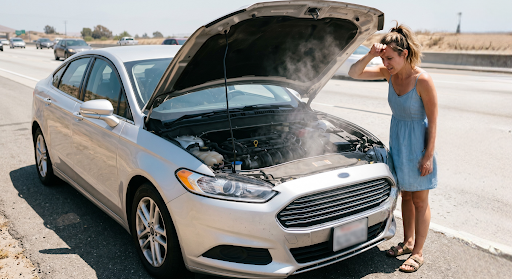
Heat buildup from low-speed operation is another major concern. Transmissions rely on movement and airflow to stay cool. Crawling traffic limits cooling while the transmission continues generating heat. Transmission overheating in stop-and-go traffic often starts here, especially during summer months or long backups.
Increased fluid breakdown follows closely behind excess heat. Transmission fluid lubricates moving parts and regulates temperature. High heat causes fluid to thin and lose protective properties. Once fluid breaks down, internal parts lose vital protection, which speeds up wear and raises the risk of failure.
Why Highway Congestion Is Worse Than City Streets
Highway traffic feels less demanding than city driving, but congestion on major routes can be far more damaging. Extended low-speed operation on highways pushes transmissions beyond normal operating conditions.
Highway congestion often involves long periods of crawling rather than frequent full stops. I-95 and Route 476 backups can stretch for miles, keeping vehicles stuck in first or second gear for extended periods.
Sustained crawling speeds prevent transmissions from reaching efficient operating ranges. Limited gear changes mean fewer chances for heat to dissipate. Drivers experience rising temperatures without realizing damage is building internally.
Limited airflow for cooling adds to the problem. Highway congestion reduces the natural airflow that helps cool transmission fluid. Cooling systems work harder but cannot compensate fully during long traffic delays.
Long idle times followed by sudden acceleration also strain components. After sitting still, drivers often accelerate quickly to close gaps. Sudden torque demands place stress on worn parts and overheated fluid, increasing the chance of slipping or delayed engagement.
Why I-95 Is One of the Toughest Roads on Your Vehicle
I-95 runs through some of the most congested areas in Southern New Jersey, Pennsylvania, and Delaware. Daily traffic patterns create conditions that accelerate transmission wear faster than many drivers expect throughout the Delaware Valley.
Congestion Patterns Along the Delaware Valley Corridor
Traffic flow between Philadelphia International Airport, Chester, South Philly, and Southern New Jersey rarely stays consistent. Merges, exits, and lane reductions force frequent speed changes that keep transmissions under constant load.
Construction zones and merge points increase wear even more. Narrow lanes and sudden slowdowns require repeated braking and acceleration. Transmissions respond by shifting more often, raising internal temperatures and friction.
Commuters traveling this corridor experience stress that goes far beyond normal highway driving. Short trips during peak hours often expose transmissions to worse conditions than longer highway journeys at steady speeds.
Commuter Driving vs Long-Distance Highway Driving
Smooth cruising allows transmissions to settle into higher gears with minimal stress. Long-distance highway driving generally produces less wear because speeds remain consistent.
Constant speed changes tell a different story. Short highway trips during rush hour force transmissions to shift frequently without enough cooling time. Short trips can be more damaging than longer drives because fluid never fully stabilizes, especially during daily commutes.
The Blue Route Problem: Route 476 and Transmission Stress
Route 476 presents a unique challenge due to its layout and traffic patterns. Hills, curves, and congestion combine to create heavy transmission demands.
Hills, Curves, and Sudden Stops
Elevation changes near Radnor and Plymouth Meeting force transmissions to downshift frequently. Climbing hills requires increased torque, which raises internal temperatures and stresses gear sets.
Downshifting and torque strain during climbs increase wear on clutches and bands. Descending hills adds additional stress as transmissions manage engine braking and shifting. Sudden stops caused by traffic backups worsen the strain, especially when followed by aggressive acceleration.
Rush Hour Reality for Suburban Drivers
Daily commuting patterns around King of Prussia Mall create frequent stop-start conditions. On-ramps, exits, and shopping traffic intersect with highway flow, making smooth driving difficult.
Stop-start traffic caused by on-ramps and exits keeps transmissions working constantly. Vehicles rarely reach steady speeds, increasing heat buildup and fluid degradation. Many drivers experience early transmission symptoms here without realizing that traffic conditions are the root cause.
Common Transmission Issues Caused by Stop-and-Go Driving
Extended exposure to stop-and-go conditions often leads to specific transmission problems. Early recognition helps reduce repair costs and downtime.
Overheating and Fluid Breakdown
Heat shortens transmission life by breaking down fluid and damaging internal seals. Once fluid loses viscosity, lubrication decreases, and metal components experience increased friction.
Early warning signs drivers often miss include:
- Delayed engagement
- Subtle slipping
- A burning smell
Many drivers overlook these symptoms until major damage occurs. Regular inspections help catch overheating issues before failure.
Premature Clutch and Gear Wear
Automatic and manual transmissions face different challenges in traffic. Automatics experience increased clutch pack wear due to constant shifting. Manuals place added strain on clutches during repeated starts and stops.
Increased wear in SUVs, trucks, and 4x4 vehicles is common due to added weight and torque demands. Heavier vehicles generate more heat during low-speed operation, making transmission protection even more critical.
Delayed Shifting and Slipping Gears
Symptoms drivers notice first often include hesitation when shifting or gears slipping under light acceleration. Shifts may feel rough or inconsistent during daily driving.
Ignoring early signs leads to bigger repairs because internal damage continues to spread. Minor issues often turn into complete transmission failures when left unaddressed.
Driving Habits That Reduce Transmission Wear in Heavy Traffic
Smart driving habits help limit damage even in severe traffic. Small adjustments make a measurable difference over time.
Smarter Driving Techniques for I-95 and Route 476
Maintaining steady spacing reduces constant braking and acceleration. Allowing extra distance lets the transmission operate more smoothly.
Avoiding aggressive acceleration lowers torque spikes and heat buildup. Gentle throttle input keeps internal components under less stress, especially during long traffic delays.
Maintenance Steps That Matter Most
Transmission fluid checks and exchanges play a major role in longevity. Clean fluid manages heat and protects internal parts more effectively.
Routine inspections matter for commuters who face daily congestion. Knowing how to protect your transmission in heavy traffic starts with proactive maintenance and expert evaluation from AAMCO Delaware Valley centers.
Frequently Asked Questions
How Long Can a Transmission Really Last in Daily Traffic?
Transmission lifespan depends heavily on driving conditions, not just mileage. Vehicles driven daily in congestion often experience earlier wear because components stay under constant load. Commuters in the Delaware Valley tend to reach wear points sooner than drivers who cruise at steady highway speeds.
At AAMCO Delaware Valley centers, technicians often see transmissions with moderate mileage showing advanced wear simply due to traffic exposure. Regular inspections and fluid checks play a bigger role in longevity than many drivers expect.
Does Stop-And-Go Driving Change Service Intervals?
Factory service intervals assume mixed driving, not constant congestion. Vehicles exposed to daily backups often need earlier service to stay reliable. Automatic transmission fluid life in city driving is shorter because heat and friction degrade fluid faster.
Waiting for manufacturer mileage milestones can allow damage to develop unnoticed. AAMCO Delaware Valley centers adjust service recommendations based on real driving conditions rather than generic schedules, which helps prevent avoidable repairs.
Can Short Commutes Be Harder on a Transmission Than Long Ones?
Short commutes often cause more damage than longer trips. Transmissions may never reach stable operating temperatures before the drive ends. Fluid stays thick, moisture does not evaporate, and wear increases.
A ten-mile commute through traffic can be harder on a transmission than a fifty-mile highway drive. Drivers heading from suburban areas into Philadelphia often experience this pattern without realizing the long-term impact.
What Makes Local Commuting Patterns Especially Risky?
Traffic patterns vary by region, and local habits matter. Delco to Philly commutes often create transmission problems from repeated slowdowns near merges and exits.
For example, a driver leaving Media during rush hour may encounter stop-start traffic every few hundred yards. Over time, constant low-gear operation raises temperatures and wears internal components.
Our local experience allows AAMCO Delaware Valley centers to recognize these patterns quickly during diagnostics.
Are Modern Transmissions Better Suited for Traffic?
Newer transmissions include more gears and electronic controls, which improve efficiency under ideal conditions. Traffic-heavy driving still creates challenges. Frequent shifting between closely spaced gears increases clutch activity and heat.
Technology helps manage stress but does not eliminate it. Proper maintenance remains essential, even for newer vehicles. AAMCO Delaware Valley centers often service late-model cars with early transmission complaints tied directly to traffic exposure.
How Can Drivers Spot Subtle Transmission Changes Early?
Early changes rarely feel dramatic. Shifts may feel softer, slower, or slightly delayed. Drivers sometimes notice mild vibration when accelerating from a stop or a brief hesitation when shifting into drive.
These signs often come and go, which leads drivers to ignore them. Addressing symptoms early reduces the risk of heavy wear transmission damage and limits the repair scope.
Does Vehicle Type Affect Traffic-Related Wear?
Vehicle weight and drivetrain design influence how transmissions respond to congestion. SUVs, trucks, and all-wheel-drive vehicles generate more heat during low-speed operation. Compact cars usually handle traffic better, but still experience wear over time.
For example, a family SUV crawling through Route 476 traffic during summer places far more strain on its transmission than a smaller sedan under the same conditions.
Is Driver Behavior More Important Than Road Conditions?
Driver habits can amplify or reduce damage. Riding the brake while accelerating lightly keeps the multitransmission engaged longer than necessary. Rapid throttle inputs after stopping increase torque stress.
Choosing smoother acceleration and allowing gaps to form reduces internal strain. Learning how to protect transmission wear starts with understanding how everyday habits affect mechanical systems.
Is Preventive Service Worth It for Traffic Commuters?
Preventive service costs far less than major repairs. Fluid services, inspections, and software updates help transmissions manage heat and load more effectively. Drivers who commute daily benefit most from preventive care.
The experts at AAMCO’s Delaware Valley centers regularly help drivers avoid major repairs by catching minor issues during routine visits, especially those navigating I-95 and the Blue Route.
How Does Local Expertise Improve Repair Accuracy?
Local driving knowledge improves diagnosis. Technicians familiar with regional traffic patterns recognize symptoms linked to congestion rather than isolated defects.
For instance, repeated overheating complaints often trace back to driving conditions instead of faulty parts. AAMCO Delaware Valley centers combine national resources with local insight, helping drivers receive accurate recommendations without unnecessary repairs.
How AAMCO Delaware Valley Centers Helps Drivers Stay Ahead of Transmission Damage
AAMCO brings over 60 years of experience and more than 20 million vehicles serviced nationwide. Local, independent AAMCO centers across Pennsylvania, New Jersey, and Delaware combine national resources with regional knowledge.
Technicians see firsthand how I-95 and Route 476 traffic impacts vehicles. Repairs and maintenance recommendations reflect real-world driving conditions, not generic schedules.
Transmission Multi-Point Inspection Benefits
Accurate diagnosis matters before recommending any repair. AAMCO's Transmission Multi-Point Inspection identifies issues early and pinpoints the root cause.
Preventing unnecessary transmission replacements saves drivers money and downtime. Many vehicles require only minor adjustments or fluid services when problems are caught early.
Fix Transmission Overheating in Stop and Go Traffic
Stop-and-go driving takes a real toll on your vehicle, especially when transmission overheating in stop-and-go traffic goes unchecked.
Schedule a service appointment with an AAMCO Delaware Valley center today to protect your transmission, catch problems early, and keep your daily commute running smoothly.
Share