Back-to-School Car Care: Why College Students Need a Transmission Check This Fall
College students heading back to campus need to make sure their ride is ready for the semester, especially by getting a transmission check. A healthy transmission ensures smoother commutes, fewer surprise breakdowns, and hassle-free driving all fall long.
Have you ever wondered why your vehicle sometimes slips gears or hesitates just when you're rushing to class? These are signs pointing straight to the importance of a transmission check before fall semester demands kick in.
Today, we're taking a closer look into what a proper check entails, why it matters more than you might think, and how it keeps college-cars running reliably through orientation, late-night study runs, and holiday drives.
Why Fall Is the Right Time for a Transmission Check
Getting back on the road after summer can bring new demands on your college car. The change in weather, along with heavier driving schedules, makes fall an important season for car maintenance.
There are three main reasons why fall is the best season for this step:
- Weather shifts affect how transmissions perform
- Early checks help avoid problems during busy school weeks
- Holiday travel creates extra strain on vehicles
Weather Shifts Affect How Transmissions Perform
Summer heat can thin transmission fluid and increase wear. As fall arrives, cooler mornings and fluctuating temperatures test the system in new ways.
These changes highlight weaknesses that may not have shown up during the summer months. A simple inspection can identify problems before they worsen.
Early Checks Help Avoid Problems During Busy School Weeks
Once classes start, students don't have much free time to deal with breakdowns. A car that struggles to shift or leaks fluid can cause unexpected delays and missed commitments. Having the transmission inspected at the start of the season means fewer surprises when your schedule is already full.
Holiday Travel Creates Extra Strain on Vehicles
Many students use their cars for longer trips during fall, especially when heading home for Thanksgiving. These drives put added stress on the transmission. An early check makes sure the car is ready for highway miles, carrying passengers, and heavier loads that often come with travel.
The Role of the Transmission in Your College Car
Without a healthy transmission, even short trips around campus can become stressful. For students who depend on their cars every day, this part of the vehicle deserves careful attention.
There are three main reasons the transmission is so central to your driving experience:
- It allows smooth gear changes that make driving easier
- It supports fuel efficiency and helps save money on gas
- It protects the overall life of the car when maintained properly
It Allows Smooth Gear Changes That Make Driving Easier
The transmission makes it possible for the car to adjust speed without overworking the engine. Smooth shifts mean you can focus on the road instead of worrying about jerks, grinding, or slipping. For busy students, comfort and reliability matter during daily commutes or late-night study trips.
It Supports Fuel Efficiency and Helps Save Money on Gas
When the transmission is in good condition, the car runs more efficiently. Poor shifting or slipping gears can waste fuel and raise your costs. College budgets are already tight, and spending more on gas because of transmission issues can put added pressure on finances.
It Protects the Overall Life of the Car When Maintained Properly
Regular car maintenance keeps the transmission in good shape and helps extend the life of the entire vehicle. A neglected transmission can damage other parts of the drivetrain, leading to expensive repairs. For students who want their car to last through multiple years of school, routine care is a smart choice.
Common Transmission Issues College Students Overlook
Many students rely on their cars every day, but few take the time to recognize the warning signs of transmission issues. The most common problems that students miss include:
- Slipping gears during driving
- Delayed or rough shifting between speeds
- Strange sounds or burning smells
- Transmission fluid leaks under the car
Slipping Gears During Driving
When gears slip, the car may suddenly change speed without warning. This can be dangerous on busy roads or highways. Many students ignore this problem at first, but it often gets worse if left unaddressed.
Delayed or Rough Shifting Between Speeds
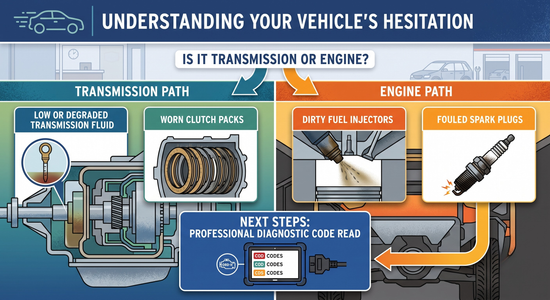
If the car hesitates when changing gears, or if the shift feels rough, it's a clear sign something is wrong. It often points to worn parts or low-quality transmission fluid. Students may overlook these symptoms while rushing to class, but they shouldn't be ignored.
Strange Sounds or Burning Smells
Grinding, clunking, or buzzing sounds during driving can signal a failing transmission. A burning odor may mean the fluid is overheated or old. Both problems require quick attention to avoid further damage.
Transmission Fluid Leaks Under the Car
Leaking fluid is one of the easiest issues to spot. Bright red or brown spots under a parked car usually mean the transmission is losing fluid. Without enough fluid, the system can fail completely.
Transmission Check: What Mechanics Actually Look For
When a mechanic performs a transmission check, they do more than glance under the hood. A complete inspection often includes these steps:
- Examining the condition and level of transmission fluid
- Looking for leaks or damaged seals
- Checking the transmission filter
- Listening for strange sounds during a test drive
- Reviewing how the car shifts through different speeds
Examining the Condition and Level of Transmission Fluid
The fluid is the lifeblood of the system. Mechanics check if it is clean, at the right level, and free of debris. Dirty or burnt fluid signals possible transmission issues.
Looking for Leaks or Damaged Seals
Even small leaks can cause big problems over time. Mechanics inspect seals and gaskets to confirm that fluid is not escaping. If leaks are spotted early, the repair is much easier and less costly.
Checking the Transmission Filter
A clogged filter can restrict fluid flow and make shifting harder. During a transmission check, the filter is inspected to confirm it's clear. If it's dirty or blocked, the mechanic may suggest replacement.
Listening for Strange Sounds During a Test Drive
A test drive lets mechanics hear and feel how the car shifts. Grinding, clunking, or hesitation are signs that deeper work may be needed.
Reviewing How the Car Shifts Through Different Speeds
Smooth gear changes show that the transmission is working well. If shifting is rough or delayed, it could point to worn parts or electronic problems.
How Can You Check if Your Transmission Is Bad?
Students often notice problems with their cars but may not realize they point to transmission issues. A failing transmission can show itself in different ways, and most of these signs don't require special tools to spot. Paying attention early can save time, money, and stress.
There are three common signs that drivers can look for on their own:
- Unusual noises or warning lights
- Strange smells or slipping gears
- Trouble with acceleration or shifting
Unusual Noises or Warning Lights
One of the first things drivers notice is a sound that doesn't belong. Grinding, humming, or clunking noises while shifting can mean the transmission is struggling. The check engine light may turn on as well, which should never be ignored.
Strange Smells or Slipping Gears
A burning odor inside or outside the car can signal overheated fluid. If the car suddenly slips out of gear or has trouble staying in the right gear, that's another sign the transmission may be going bad. These issues often get worse if left untreated.
Trouble with Acceleration or Shifting
When a car hesitates before moving or takes longer than normal to pick up speed, the transmission might be to blame. Rough or delayed shifting between gears is another clear signal that something is wrong. Students often overlook this while hurrying to class, but it's one of the most obvious red flags.
Spotting these problems doesn't mean you can fix them on your own, but it does mean it's time to schedule professional car maintenance. Paying attention to early warning signs keeps your college car care routine strong and helps prevent bigger breakdowns during the semester.
How Do You Check a Transmission?
Students who want to understand their cars better can perform a few basic checks on their own. There are three main ways to check a transmission at home:
- Inspecting the transmission fluid
- Watching for dashboard warnings
- Paying attention during a test drive
Inspecting the Transmission Fluid
One of the easiest ways to check the system is by looking at the fluid. Most cars have a dipstick that lets you measure the level and see the color.
Fluid that is low, dark, or smells burnt is a sign of transmission issues. If the level is fine and the fluid looks bright red, the system is likely in better shape.
Watching for Dashboard Warnings
Modern cars have sensors that can detect transmission problems. If the check engine light or a transmission warning light turns on, it should never be ignored. Students often put off dealing with dashboard alerts, but they are some of the clearest signs that something is wrong.
Paying Attention During a Test Drive
A short drive can reveal a lot about the condition of the transmission. Rough shifts, slipping gears, or hesitation when speeding up all point to problems that need repair. If the car runs smoothly and shifts without delay, the transmission is likely working well.
FAQ Section
How much does a transmission check usually cost?
The price of a transmission check can vary depending on the shop and location. Most basic inspections range from free to about $150, depending on whether the mechanic only looks over the system or performs a deeper evaluation.
Some shops include it in general car maintenance packages, while others charge separately. A thorough inspection may include checking the fluid, testing how the car shifts, and looking for leaks. While the price may seem high to a student budget, it's far less than the cost of repairing or replacing a damaged transmission later.
Can you drive to college with minor transmission issues?
It's possible to drive a car with small transmission problems, but it's not a good idea. A student may think the car will "make it" through the semester, but even minor issues tend to get worse under daily driving.
Slipping gears or rough shifting can create safety concerns, especially during heavy traffic or highway driving. Delays in fixing problems often turn into larger repairs that cost much more than early service. For reliable college car care, it's better to schedule a check before the problem grows into a breakdown.
What happens if you skip transmission maintenance for a year?
Skipping transmission service for a year can lead to more wear and stress on the system. Over time, old fluid loses its protective qualities, which means the transmission may run hotter and work harder than it should.
It can cause parts inside the system to wear down faster, leading to bigger repairs later. In some cases, the transmission may fail completely, requiring replacement.
Regular care is always cheaper than facing a major repair. For students managing a tight schedule and budget, keeping up with fall vehicle maintenance is a smart decision.
Are manual and automatic transmission checks different?
Yes, there are differences between the two types of systems. For an automatic transmission, the mechanic focuses on fluid condition, electronic controls, and how the car shifts on its own.
A manual transmission has a clutch, gear linkage, and other parts that wear in different ways. Mechanics will often check the clutch pedal response and listen for noises during gear changes.
Both types benefit from fresh fluid and careful inspection, but the details vary. Knowing which kind of system your car has helps you understand what to expect from a transmission check.
Fall Vehicle Maintenance
Making a transmission check part of back-to-school vehicle prep supports safe driving, reduces stress, and protects budgets.
For over 60 years, AAMCO has been the trusted name in transmissions and total car care. With more than 600 centers across North America, we've serviced millions of vehicles with expert diagnostics, reliable repairs, and nationwide warranty coverage. Known worldwide as the transmission leader, our technicians also handle air conditioning, tune-ups, and general auto service.
Get in touch today to find out how we can help with your transmission!
Share