Back-to-School Car Maintenance: The Ultimate Commuter Safety Checklist
As the lazy days of summer wind down, the rush to get everything ready for the new school year begins. Between buying textbooks and finalizing class schedules, it is easy to overlook the vehicle that will carry your student to and from campus. Ensuring your student's daily commute is safe starts with proper back-to-school car maintenance.
Whether your student is commuting a few miles from an off-campus apartment near Temple University or making a longer trek up from southern Delaware past the Christiana Mall to start the semester, their vehicle needs to be in peak condition. The shift from summer road trips—perhaps back and forth from Philadelphia or down the shore for long weekends—to the grueling stop-and-go realities of school zones, busy campus parking lots, and morning rush-hour traffic on I-95, navigating around Independence Hall, or battling the notorious Schuylkill Expressway traffic puts a unique, heavy strain on any automobile. Parents and students alike need the peace of mind that comes from knowing the car will not break down on the way to an important lecture or final exam. That is exactly why prioritizing car maintenance for students is just as critical as buying a new laptop or stocking up on dorm supplies.
At an AAMCO of the Delaware Valley, we know that safety and dependability are your top priorities. To help you prepare, we have put together the ultimate back-to-school commuter safety checklist.
Reliability First: Ensuring Your Student Won’t Get Stranded
There is nothing quite as stressful for a student—or their parents—as a car that refuses to start in a dark parking lot after a late-night study session at Villanova. Reliability is the foundation of any good commuter vehicle, and that begins right under the hood with the electrical system.
A comprehensive reliability checkup starts with assessing the health of the battery and the alternator. Many people do not realize that the intense heat of summer actually does more damage to car battery life than the freezing temperatures of winter. Summer heat evaporates the vital liquids inside the battery and accelerates internal corrosion. By the time autumn rolls around and the engine requires more power to start on chilly mornings, a weakened battery will simply fail.
During a professional reliability checkup at an AAMCO of the Delaware Valley, our technicians will run a diagnostic test on the battery to measure its cold-cranking amps and overall capacity to hold a charge. But the battery is only half of the equation. We also test the alternator, which is responsible for keeping the battery charged while the engine is running and powering the vehicle's electrical systems, from the headlights to the radio. If the alternator is struggling, it will eventually drain the battery dry, leaving the vehicle completely disabled, perhaps stuck on the Ben Franklin Bridge or stranded in a SEPTA lot after commuting in from Bucks County. Ensuring both of these components are operating perfectly is the easiest way to prevent unexpected breakdowns and keep your student on schedule, whether navigating downtown Wilmington or traversing Philadelphia's Center City.
Stopping Power: Ready for Stop-and-Go Traffic
A student’s commute in the Delaware Valley area is rarely a smooth, uninterrupted drive. It is heavily characterized by sudden stops for pedestrians crossing near Drexel's campus, erratic drivers in tight parking garages near Rittenhouse Square, and congested city intersections along Market Street. This kind of driving takes a massive toll on a vehicle's braking system.
After a long summer of driving up and down Route 1 or commuting between the Pennsylvania and New Jersey suburbs across the Walt Whitman Bridge, scheduling a professional brake inspection is an absolute necessity. At AAMCO, our expert mechanics will thoroughly examine the brake pads to ensure they have an adequate amount of friction material left. When pads wear down too thin, they not only compromise stopping distance but can also grind into the brake rotors. We inspect the rotors for warping, heat spots, and grooving, which can cause violent steering wheel shaking and drastically reduce braking efficiency.
However, stopping power relies on more than just the pads and rotors. A complete brake inspection must include a detailed look at the vehicle's brake lines. Older vehicles—which are incredibly common among high school and college students—are prone to rust and corrosion on their steel brake lines, especially after exposure to winter road salts across the region, which can lead to catastrophic fluid leaks. We carefully check these lines, as well as the flexible rubber brake hoses, for any signs of cracking or swelling.
This is also the perfect time to evaluate the vital fluids that keep the vehicle safe and maneuverable. Brake fluid is hygroscopic, meaning it absorbs moisture from the air over time. This moisture lowers the boiling point of the fluid, which can lead to a terrifying phenomenon called "brake fade" under heavy use, particularly on hilly routes out in Delaware County or when braking hard after descending the Commodore Barry Bridge. Additionally, safe driving requires effortless steering, making a check of the power steering fluid absolutely crucial for navigating tight parking spots in university garages or parallel parking on narrow city streets. Finally, evaluating the engine coolant ensures the vehicle won't overheat while idling in heavy campus traffic on the Schuylkill Expressway. Ensuring these systems and fluids are functioning together flawlessly is the key to complete commuter safety.
Visibility: Preparing for Shorter Autumn Days
As the school year progresses, the days get noticeably shorter. Your student will likely be driving to early morning classes before the sun fully rises or commuting home from the library well after dusk. During the autumn months, visibility becomes one of the most critical safety factors on the road across the Delaware Valley.
The first step in improving visibility is replacing old wiper blades. Summer sun and heat cause the rubber on windshield wipers to dry rot, crack, and stiffen. When the inevitable autumn rainstorms arrive, potentially causing issues on river drives or local roads, those degraded wipers will merely smear water across the glass, blinding the driver with glare. Wiper blades should be replaced every six months, making the back-to-school season the perfect time to install a fresh set.
Equally important is checking the clarity of the vehicle’s headlamps. Over time, the clear plastic housings that protect modern headlights become oxidized and clouded by UV rays from the sun. This cloudy, yellowish haze can reduce the light output of the headlamps by up to 80%, making it incredibly difficult to see road hazards, pedestrians, and road signs at night on unlit back roads or when merging in heavy traffic. An AAMCO Delaware Valley center can restore clouded headlight lenses to their original clarity, dramatically improving nighttime visibility. We will also check all exterior bulbs—including taillights, brake lights, and turn signals—to ensure your student’s vehicle is highly visible to other drivers.
Fluid Check: A Guide to the "Big Five"
Your vehicle’s fluids are the lifeblood of its mechanical systems. For a student on a budget, preventative maintenance through regular fluid checks is vastly cheaper than paying for major mechanical repairs later. Every back-to-school car maintenance routine must include an evaluation of the "Big Five" fluids:
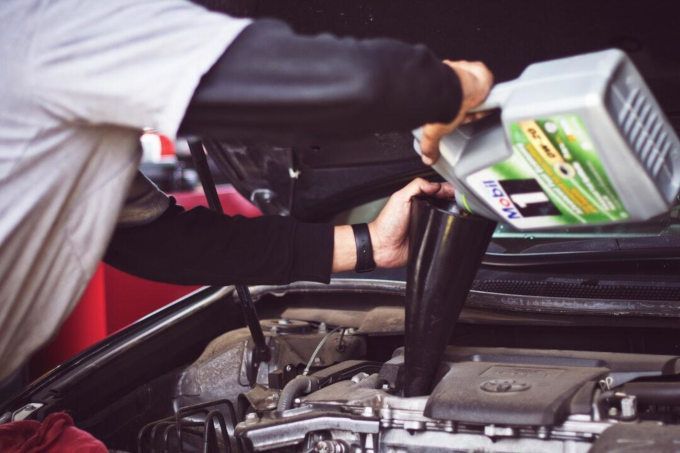
- Engine Oil: Oil lubricates the rapidly moving metal components inside the engine, reducing friction and preventing catastrophic engine failure. It also helps carry heat away from the engine block. We check the oil level and assess its condition; if it is dark, gritty, or sludgy, it is time for a full oil and filter change.
- Coolant (Antifreeze): As mentioned earlier, coolant is what prevents the engine from overheating in the summer and freezing in the winter. It contains anti-corrosion additives that protect the inside of the radiator and engine water jackets. Over time, these additives break down, making a coolant flush necessary to protect the engine, ensuring it can handle long traffic jams near Citizens Bank Park or steady highway drives across southern New Jersey.
- Transmission Fluid: This is an AAMCO specialty. Whether the vehicle is an automatic or manual, transmission fluid is required to lubricate the gears and, in automatics, provide the hydraulic pressure needed to shift gears. Low or burnt transmission fluid can lead to slipping gears, rough shifting, and eventually, total transmission failure.
- Brake Fluid: The hydraulic force that translates the push of the brake pedal into clamping force at the wheels. If brake fluid is low, it usually indicates a leak in the system or severely worn brake pads. It must be clean and free of moisture to work properly, essential for handling the sudden stops common throughout the Philadelphia region.
- Power Steering Fluid: This fluid powers the hydraulic system that makes turning the steering wheel easy. If the fluid is low or degraded, the steering wheel will become incredibly stiff and difficult to turn, and the power steering pump will begin to whine or groan, making navigating narrow streets in Manayunk or tight spots around campus challenging.
Sending your student off to school with a safe, reliable vehicle is one of the best things you can do for their peace of mind—and your own. Don't wait until the middle of midterm week at Temple, Penn, Drexel, or Villanova to discover an unexpected mechanical issue. Trust the experts who know Delaware Valley drivers and vehicles inside and out. Schedule your back-to-school service appointment at an AAMCO Delaware Valley center today.
Frequently Asked Questions (FAQs)
Why is car maintenance for students so important before the school year begins?
Car maintenance for students is vital because it acts as preventative care to avoid unexpected breakdowns during an already stressful academic year. Students often lack the time, tools, and budget to deal with emergency car repairs while juggling classes, exams, and part-time jobs. Getting the vehicle inspected and serviced before the semester starts ensures that minor issues—like worn brake pads or an aging battery—are resolved before they turn into major, expensive failures. Furthermore, a well-maintained car guarantees a safer commute, protecting the student as they navigate heavy campus traffic around the region, inclement autumn weather, and highway driving on routes like I-95, I-76, or I-476 to and from home.
How often should I get a reliability checkup for an older vehicle used for college commutes?
For older vehicles, it is highly recommended to get a thorough reliability checkup at least twice a year. The ideal times are right before the school year begins in late summer, and again right before winter weather sets in with its cold temperatures and potential snow across Pennsylvania and Delaware. Older cars have high-mileage components, such as rubber belts, coolant hoses, and suspension parts, that are far more susceptible to wear, dry rotting, and sudden failure than those in newer cars. A biannual checkup allows certified technicians to catch degrading parts early, ensuring the vehicle remains a dependable mode of transportation throughout the demanding school year, whether driving into Philadelphia or out to suburban campuses.
What are the warning signs that my car needs a brake inspection right away?
Your braking system will usually give you several warning signs before it fails completely. The most common indicator is a high-pitched squealing or grinding noise when you press the brake pedal, which means the brake pads are worn down to their metal wear indicators. Another major sign is a steering wheel or brake pedal that violently vibrates or pulsates when stopping, which points to warped brake rotors. If your brake pedal feels "spongy," goes all the way to the floor, or if your car pulls to one side when braking, you have a severe safety issue, such as a fluid leak or a failing caliper. If you experience any of these symptoms, schedule a brake inspection immediately, crucial for the sudden stops common everywhere in the Delaware Valley.
How long does car battery life usually last, and how do I know it is dying?
On average, car battery life ranges between three and five years, depending on the climate and driving habits. Extreme summer heat followed by autumn temperature drops significantly shortens this lifespan across our region. Signs that your battery is dying include an engine that cranks very slowly or hesitates before starting, headlights that dim noticeably when the car is idling, or the need to frequently jump-start the vehicle. You might also notice a swollen or bloated battery case, or thick, white, ashy corrosion around the battery terminals. If your battery is over three years old, it should be tested before the school semester begins, especially to avoid getting stranded after a late-night study session or in a busy campus lot.
Can I check the "Big Five" fluids myself, or do I need a professional?
Yes, you can check the levels of some of the "Big Five" fluids, but a professional evaluation is always recommended for complete accuracy and safety. Checking engine oil and coolant levels is generally straightforward using the dipstick and clearly marked plastic reservoirs. However, many modern vehicles no longer have dipsticks for the transmission fluid, requiring a mechanic to lift the car and check it from underneath. Furthermore, a professional does not just check the level of the fluids; they assess the condition of the fluid to see if it is burnt, contaminated with metal shavings, or degraded, which is something the untrained eye can easily miss. This detailed inspection is essential for ensuring all crucial systems can handle the region's diverse driving conditions, from highway speeds on I-95 to stop-and-go city traffic.
Why are my headlights foggy, and how does it affect nighttime visibility?
Headlights become foggy or yellowed due to the constant exposure to the sun's ultraviolet (UV) rays, which gradually degrade the clear plastic polycarbonate coating on the outside of the lens housing. Over time, environmental factors like road debris, dirt, and harsh car wash chemicals common to our region accelerate this oxidation process. This fog severely diffuses and scatters the light produced by the bulbs, preventing the beam from projecting clearly down the road. This can reduce nighttime visibility by up to 80%, making it incredibly dangerous for students driving home late at night on unlit back roads or merging on crowded interstates like I-76. Professional headlight restoration can polish away this oxidation and restore full visibility.
Are there any specific seasonal maintenance tasks for autumn driving in the Delaware Valley?
Yes, autumn driving introduces unique challenges that require specific maintenance in Pennsylvania, New Jersey, and Delaware. Aside from checking the battery and brakes, your tires require special attention. As temperatures drop in the autumn, the air pressure inside your tires naturally decreases, which can negatively affect handling, fuel economy, and traction on wet, leaf-covered roads across suburban areas. Tire pressure must be adjusted accordingly, and tread depth should be sufficient for handling varied weather. You should also replace your windshield wipers to handle heavy autumn rains and ensure your vehicle's heater and defroster are functioning properly so your student can clear morning frost and condensation from the windshield safely before navigating the Schuylkill Expressway or local roads.
How do I know if my alternator is failing versus my battery?
It can be tricky to tell the difference because the symptoms are very similar. If your car won't start, but a jump-start gets it running and it stays running, the battery is likely dead, but the alternator is doing its job of keeping the engine powered. However, if you jump-start the car and it immediately stalls or dies shortly after the jumper cables are removed, that is a strong indicator that the alternator is failing and cannot generate enough electricity to keep the vehicle running. Other signs of a bad alternator include a dashboard battery warning light illuminating while driving, whining noises from the engine belt, and erratic behavior from the radio or power windows. Both scenarios are dangerous and could leave your student stranded, perhaps on a busy Philadelphia street or a SEPTA lot.
What is the most critical fluid to check if I am on a student budget?
If you are on a strict budget, the single most critical fluid to monitor and maintain is the engine oil. Engine oil is the absolute lifeblood of the car. If the engine runs out of oil, or if the oil becomes so old and sludgy that it can no longer lubricate the moving parts, the internal metal components of the engine will grind together. This creates massive friction and heat, leading to complete and catastrophic engine failure in a matter of minutes. Replacing a seized engine costs thousands of dollars, whereas regular oil changes are a highly affordable form of insurance that keeps the car running smoothly and reliably for everything from local University City commutes to longer trips across the region.
How can AAMCO help prepare my student's car for their daily commute across the Delaware Valley?
AAMCO provides comprehensive, bumper-to-bumper vehicle care to ensure your student's car is safe, reliable, and ready for the road, no matter where their studies take them in our region. Our certified technicians offer extensive multi-point inspections that cover everything in this back-to-school checklist, with a focus on regional driving demands. We specialize in complex transmission repairs—crucial for navigating everything from I-95 to river drives—but we are also your local experts for comprehensive brake inspections, battery and electrical system testing, fluid flushes, and routine preventative maintenance. By trusting AAMCO with your student's car, you are getting honest assessments, expert repairs, and the peace of mind knowing their vehicle has been serviced by industry professionals who understand the Delaware Valley. Book an appointment with an AAMCO Delaware Valley center today.
Share